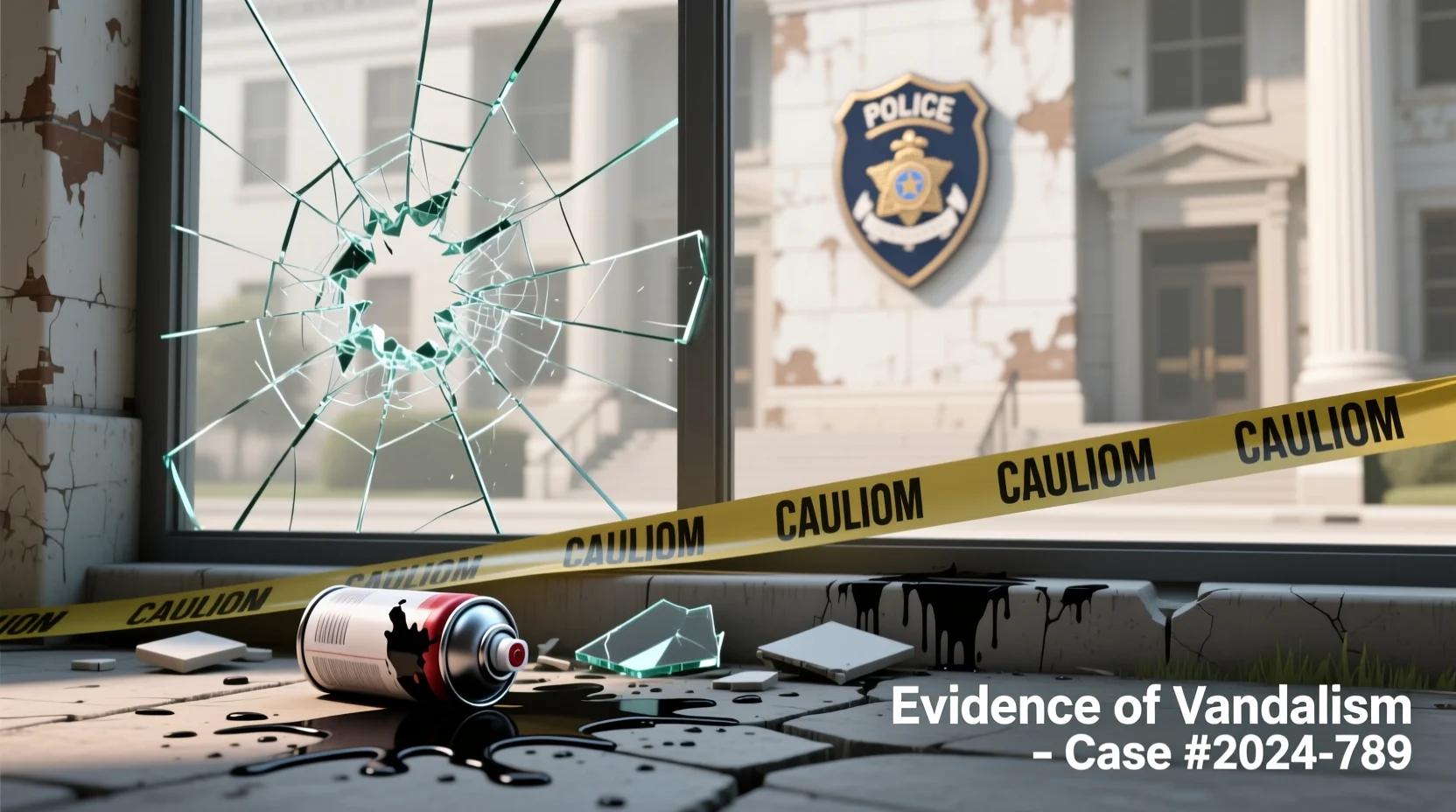
I remember the first time I heard the term ‘criminal mischief’; it sounded almost harmless, like a playful prank that had gone a little too far. I assumed it meant minor trouble or silly behavior. But once I looked into it, I realized the meaning is much more serious and legal than it sounds. If you’ve come across this term in news reports, police records, or legal documents and felt confused, you’re not alone. Many people search for it.
Quick Answer:
Criminal mischief means intentionally damaging, destroying, or tampering with someone else’s property. It is a criminal offense, and depending on the severity, it can be charged as a misdemeanor or felony.
What Criminal Mischief Means in Simple Terms
Criminal mischief is a legal term used to describe actions where a person knowingly damages or interferes with property that does not belong to them. This damage can be physical, financial, or functional.
It usually includes actions such as:
- Breaking windows
- Vandalizing property
- Damaging vehicles
- Destroying public or private property
- Tampering with utilities
- Graffiti or defacing buildings
Example:
“He was arrested for criminal mischief after smashing several parked cars.”
In short:
Criminal Mischief = Intentional property damage = Criminal offense
Where the Term Criminal Mischief Is Commonly Used
You will most often encounter this term in official or legal contexts, such as:
- 🏛️ Police reports
- 📰 News articles
- ⚖️ Court documents
- 📜 Criminal charges
- 🚓 Arrest records
- 🏫 School disciplinary notices
- 🏢 Property damage complaints
Tone:
- ✔️ Formal
- ✔️ Legal
- ✔️ Serious
- ❌ Not slang
- ❌ Not casual
- ❌ Not humorous
Examples of Criminal Mischief in Real-Life Situations
Example 1:
Breaking a neighbor’s window during an argument.
Example 2:
Spray-painting graffiti on a public building.
Example 3:
Damaging a school desk or classroom equipment on purpose.
Example 4:
Keying someone’s car in a parking lot.
Example 5:
Cutting utility lines or damaging public infrastructure.
Example 6:
Smashing store property during a protest.
When Criminal Mischief Applies and When It Does Not
✅ When It Applies
Criminal mischief applies when:
- Property damage is intentional
- The property belongs to someone else
- The action causes financial loss
- The act disrupts normal use
- There is clear evidence of damage
❌ When It Does NOT Apply
It may not apply when:
- Damage is accidental
- The person owns the property
- There is no intent to harm
- The damage is minimal and lawful
- The act is legally justified
Context Comparison Table
| Context | Example | Why It Fits |
|---|---|---|
| Legal Case | “Charged with criminal mischief for vandalism” | Correct legal usage |
| News Report | “Suspect arrested for criminal mischief” | Formal and accurate |
| Casual Talk | “He’s just mischievous” | Not a legal term |
| Texting | “lol criminal mischief” | Incorrect informal use |
Similar Legal Terms or Related Offenses
| Term | Meaning | Usage |
|---|---|---|
| Vandalism | Damaging public or private property | Common legal charge |
| Trespassing | Entering property illegally | Property-related offense |
| Disorderly Conduct | Disruptive public behavior | Often charged with mischief |
| Property Damage | General term for destruction | Civil or criminal cases |
| Malicious Mischief | Intentional harmful damage | Older legal term |
| Arson | Destroying property with fire | Serious felony |
FAQs
1. Is criminal mischief a serious crime?
Yes. It can range from a minor offense to a felony, depending on the damage.
2. Is criminal mischief the same as vandalism?
They are similar, but criminal mischief is broader and includes more types of property damage.
3. Can criminal mischief be charged as a felony?
Yes, if the damage is severe or costly.
4. Does criminal mischief require intent?
Yes. The damage must be intentional.
5. Is graffiti considered criminal mischief?
In many jurisdictions, yes.
6. Can juveniles be charged with criminal mischief?
Yes, though penalties may differ.
7. Is criminal mischief a civil or criminal offense?
It is a criminal offense, though civil penalties may also apply.
Conclusion
Criminal mischief may sound mild, but legally, it carries serious consequences. It refers to intentional damage or interference with property, and charges can lead to fines, probation, or even jail time. Understanding the meaning helps you recognize why this term appears so often in police reports and court cases. Whether it involves vandalism, destruction, or tampering, criminal mischief is treated as a real crime not just harmless trouble.