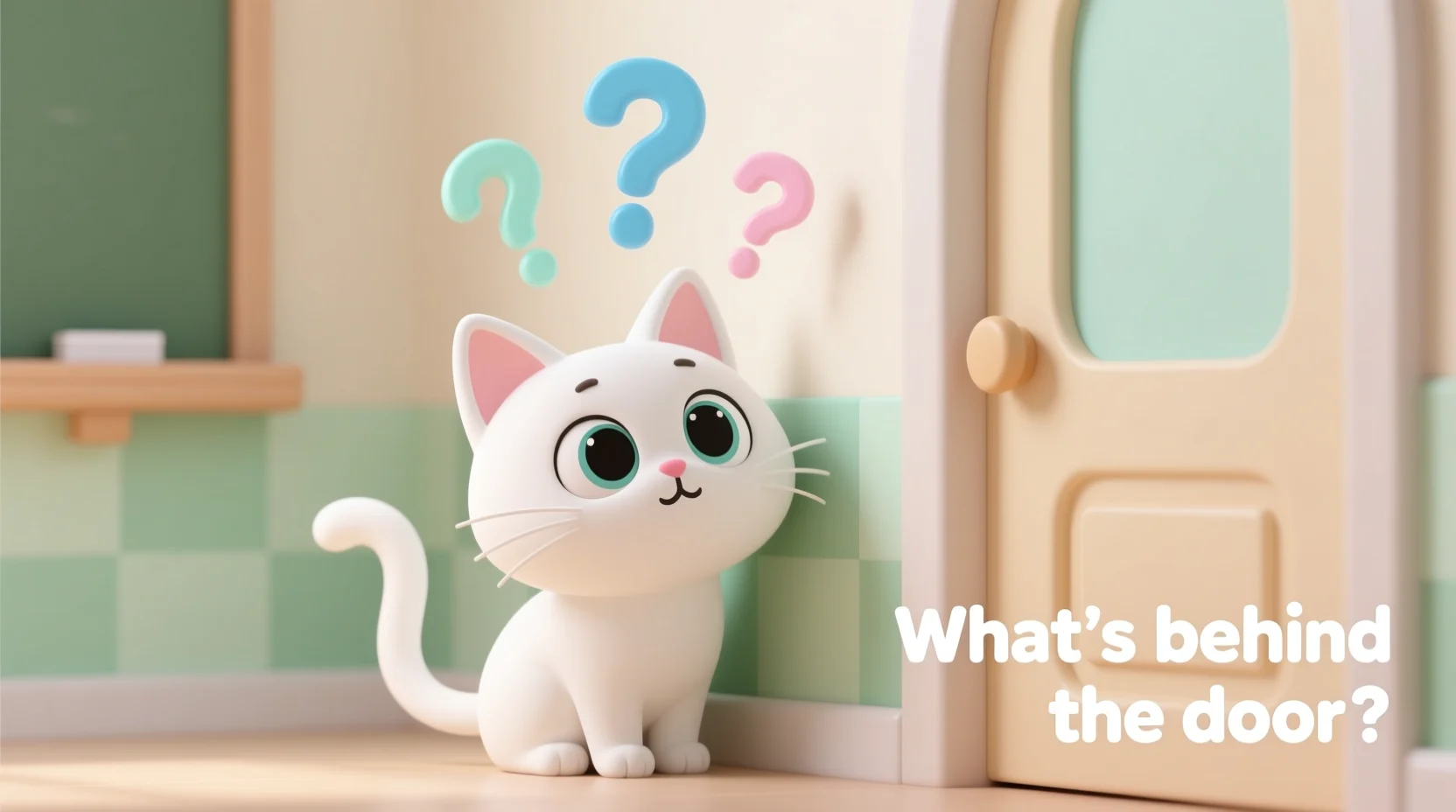
I remember the first time someone told me, “Curiosity killed the cat,” after I asked too many questions about a situation. At that moment, I wasn’t sure whether they were warning me, joking, or slightly annoyed. If you’ve heard this phrase and felt confused about what it really means, you’re not alone. It’s one of those expressions people use casually, but it carries a deeper message about curiosity and consequences.
Quick Answer:
“Curiosity killed the cat” means being too curious can sometimes lead to trouble or harm. It’s a warning phrase, usually said in a light or cautionary tone, to suggest that not everything needs to be investigated.
What Does “Curiosity Killed the Cat” Mean?
The phrase “curiosity killed the cat” is an old proverb that warns people about the dangers of unnecessary curiosity. It suggests that asking too many questions or digging into things that don’t concern you can sometimes result in negative consequences.
It doesn’t mean curiosity is bad in general. Instead, it reminds people to be careful about how far their curiosity goes.
Example:
“Don’t keep asking about their argument curiosity killed the cat.”
In short:
Curiosity killed the cat = Too much curiosity can cause problems.
Where Is “Curiosity Killed the Cat” Commonly Used?
This phrase is widely used in everyday language and appears in many situations:
- 🗣️ Casual conversations
- 💬 Friendly warnings
- 📱 Text messages
- 📖 Books and movies
- 🎭 Jokes or sarcasm
- 🧠 Advice or life lessons
Tone:
- ✔️ Informal
- ✔️ Conversational
- ✔️ Sometimes playful
- ✔️ Sometimes cautionary
- ❌ Not aggressive
- ❌ Not offensive
It’s safe to use in most social situations.
Examples of “Curiosity Killed the Cat” in Conversation
A: “I wanna know why they broke up.”
B: “Eh, curiosity killed the cat.”
A: “Should I read his private messages?”
B: “Careful… curiosity killed the cat.”
A: “What’s inside that locked room?”
B: “Lol curiosity killed the cat 🐱”
A: “I keep checking drama online.”
B: “Sometimes curiosity killed the cat fr.”
A: “Why everyone whispering?”
B: “Don’t get involved curiosity killed the cat.”
When to Use and When Not to Use “Curiosity Killed the Cat”
✅ When to Use
- Giving friendly advice
- Warning someone lightly
- Joking about nosiness
- Casual conversations
- Storytelling
- Texting or chatting
❌ When NOT to Use
- Serious emotional situations
- When someone is genuinely concerned
- Professional warnings
- Formal writing
- Sensitive discussions
- When empathy is required
Context Comparison Table
| Context | Example Phrase | Why It Works |
|---|---|---|
| Friend Chat | “Don’t ask too much — curiosity killed the cat 😅” | Friendly & casual |
| Family Talk | “Some things are better left unknown.” | Polite and calm |
| Work Chat | “Let’s focus on our assigned tasks.” | Professional |
| “Please avoid unnecessary investigation.” | Formal & respectful |
Similar Phrases or Alternatives
| Phrase | Meaning | When to Use |
|---|---|---|
| “Mind your own business” | Don’t interfere | Direct or firm |
| “Some things are better left unsaid” | Avoid digging | Polite conversations |
| “Don’t poke the bear” | Avoid causing trouble | Warning tone |
| “Let sleeping dogs lie” | Don’t disturb situations | Advice |
| “Overthinking causes problems” | Too much analysis | Casual chats |
| “Not worth knowing” | No benefit in asking | Informal |
FAQs
1. Is “curiosity killed the cat” an insult?
No. It’s usually a warning or advice, not an insult.
2. Does it mean curiosity is bad?
Not at all. It just warns against excessive or risky curiosity.
3. Can I use this phrase jokingly?
Yes. It’s often used playfully among friends.
4. Is it suitable for texting?
Yes, it’s very common in texts and chats.
5. Is the phrase old-fashioned?
It’s an old proverb, but still widely used today.
6. Is there a longer version of this saying?
Yes “Curiosity killed the cat, but satisfaction brought it back.”
7. Can I use it at work?
Only in casual conversations, not formal communication.
Conclusion
“Curiosity killed the cat” is a timeless expression that reminds us to balance curiosity with caution. While curiosity helps us learn and grow, going too far can sometimes create unnecessary trouble. Now that you understand its true meaning and usage, you’ll be able to recognize when it’s meant as friendly advice, light humor, or a gentle warning. Used correctly, this phrase adds wisdom and personality to everyday conversations.