The first time I heard the term “paul bearer,” I wasn’t completely sure what it meant. I remember seeing it mentioned during a funeral scene in a movie and thinking, Is this a religious title or a specific job? If you’ve ever had the same question, you’re not alone. Many people hear this phrase for the first time during a funeral or memorial service and want to understand its meaning and purpose.
Quick Answer:
A paul bearer (commonly spelled pallbearer) is a person who helps carry or escort a coffin during a funeral. It’s a respectful and honorable role, usually given to close family members or friends of the deceased.
What Does Paul Bearer Mean?
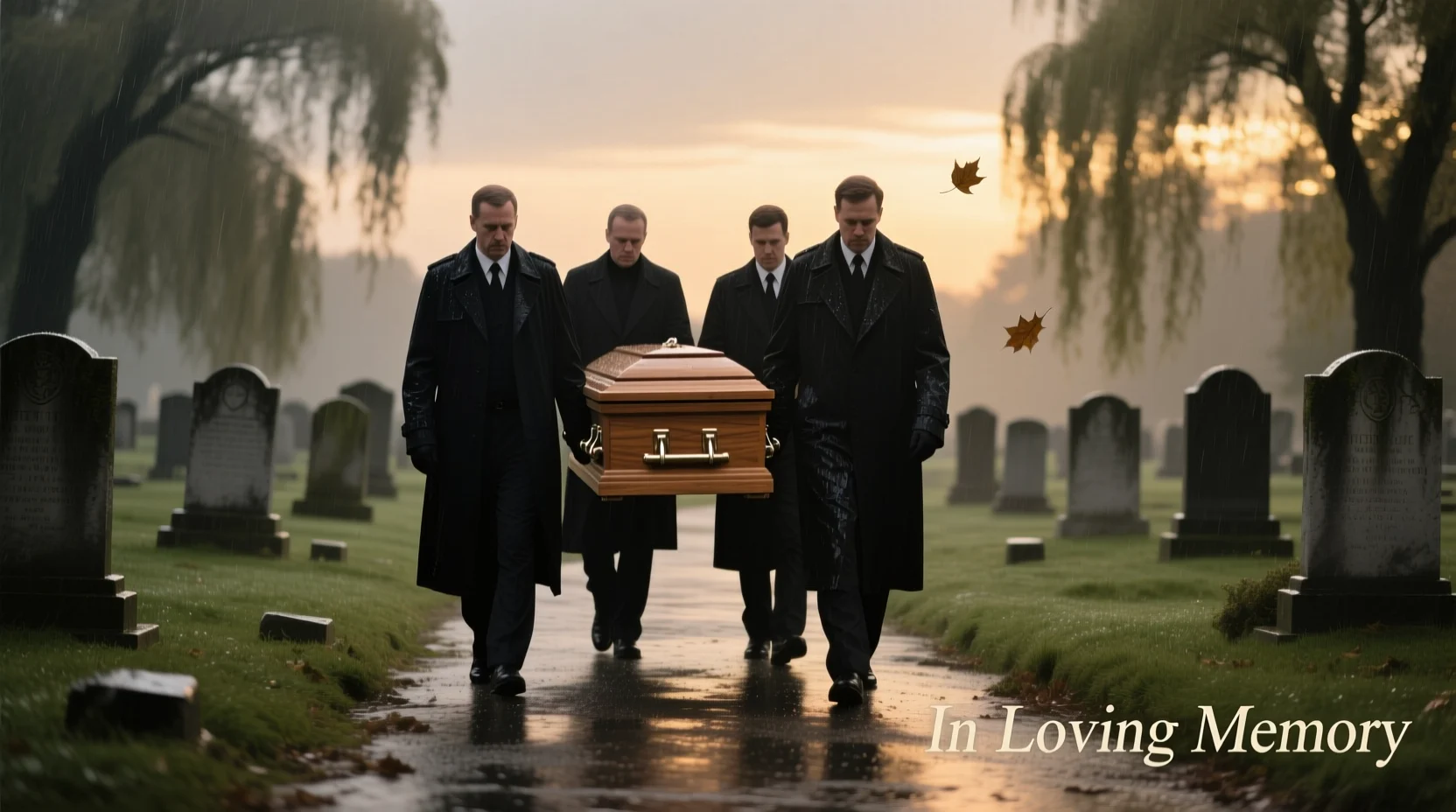
A paul bearer refers to someone who assists in carrying the casket from one place to another during a funeral service — such as from the hearse to the church or to the burial site.
Traditionally, a coffin is carried by six or eight pallbearers, depending on its size and weight. The role symbolizes respect, honor, and final support for the deceased.
Example sentence:
“He was chosen as a paul bearer to honor his late uncle.”
In short:
Paul Bearer = Pallbearer = Person who carries the coffin at a funeral
Where Is the Term Paul Bearer Commonly Used?
You’ll encounter the term paul bearer (or pallbearer) in:
- ⚰️ Funeral services
- 🕊️ Memorial ceremonies
- 📖 Obituaries
- 🎬 Movies and TV shows
- 🏛️ Religious or cultural rituals
- 📰 News articles about funerals
Tone & Usage:
- ✔ Respectful
- ✔ Formal
- ✔ Cultural and ceremonial
- ❌ Not slang
- ❌ Not casual humor
Examples of Paul Bearer in Sentences
“I was asked to be a paul bearer at my grandfather’s funeral.”
“The family selected close friends to serve as paul bearers.”
“Being a paul bearer is considered an honor in many cultures.”
“He walked proudly as a paul bearer during the service.”
“They chose eight paul bearers to carry the coffin.”
When Someone Becomes a Paul Bearer
✅ When It Is Appropriate
- When the deceased is a family member
- When close friends are chosen
- During formal funeral services
- As a sign of honor and respect
- In religious or cultural ceremonies
❌ When It Is Not Appropriate
- For casual or humorous usage
- In slang or jokes
- In informal conversations
- When discussing unrelated topics
- As a metaphor without context
Context Comparison Table
| Context | Example Phrase | Why It Works |
|---|---|---|
| Funeral Service | “He served as a paul bearer.” | Respectful and accurate |
| Obituary | “Six family members acted as paul bearers.” | Formal and appropriate |
| Casual Chat | “I was a paul bearer last week.” | Acceptable but serious |
| Humor | — | Not appropriate |
Paul Bearer vs Pallbearer (Spelling Explained)
Many people search for “paul bearer”, but the correct spelling is pallbearer.
- Pall → refers to the cloth placed over a coffin
- Bearer → someone who carries
Despite the spelling difference, both are commonly understood to mean the same thing in everyday use.
Similar Terms or Related Words
| Term | Meaning | When to Use |
|---|---|---|
| Pallbearer | Correct spelling | Formal writing |
| Honor guard | Ceremonial escorts | Military funerals |
| Coffin bearer | Person carrying coffin | Informal reference |
| Funeral attendant | Assists at funeral | Professional context |
| Mourner | Person attending funeral | General use |
FAQs
1. What does a paul bearer do?
A paul bearer helps carry or escort the coffin during a funeral.
2. Is being a paul bearer an honor?
Yes. It’s a sign of respect and closeness to the deceased.
3. How many paul bearers are usually chosen?
Typically six or eight, depending on the coffin.
4. Do paul bearers have to carry the coffin?
Sometimes they carry it; other times they walk alongside as honorary bearers.
5. Is “paul bearer” the correct spelling?
The correct spelling is pallbearer, but “paul bearer” is commonly searched.
6. Can women be paul bearers?
Yes. Anyone can serve as a paul bearer.
7. Is the role religious?
No. It exists across many cultures and religions.
Conclusion
A paul bearer plays an important and respectful role during a funeral service. Whether carrying the coffin or walking beside it, the position represents honor, remembrance, and final support for the deceased. While many people spell it as “paul bearer,” the correct term is pallbearer. Understanding this meaning helps avoid confusion and shows proper respect when the term is used. It’s not slang or casual language it’s a dignified role rooted in tradition and care.