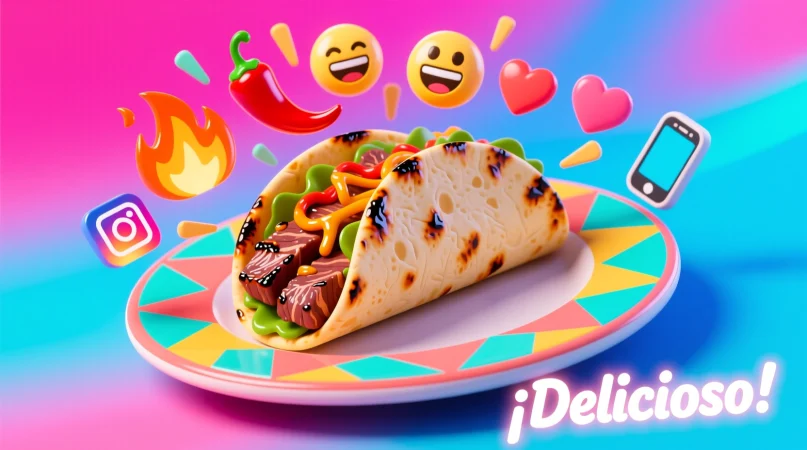
Scrolling through social media or reading memes, you may have come across the word “asada” and wondered what it means. Is it food? Slang? Or some cultural reference you’re missing? 🤔 Many people encounter it first in posts about Mexican cuisine or in casual texting where someone says, “this asada is fire 🌮🔥”.
Quick Answer:
“Asada” literally means grilled meat in Spanish, usually beef. In slang or casual usage, it can refer to something really good, tasty, or appealing, often metaphorically for people, experiences, or food. Its tone is friendly, casual, and enthusiastic.
What Does “Asada” Mean in Text?
In texts or social media, “asada” can appear in two ways:
- Literal meaning: Carne asada — grilled beef, a popular dish in Mexican cuisine, often served in tacos, burritos, or on plates.
- Slang/metaphorical meaning: Used to describe something awesome, high-quality, or attractive, e.g., “that outfit is asada 🔥”.
Example:
“This taco spot is straight-up asada, bro 🌮🔥”
“Her vibe is totally asada, can’t deny 😎”
In short:
Asada = Grilled meat (literal) = Excellent / appealing (slang)
Where Is “Asada” Commonly Used?
You’ll see “asada” in several contexts:
- 🌮 Food reviews (Instagram, TikTok, foodie posts)
- 🗨️ Texting among friends to describe good things
- 😎 Compliments or casual slang online
- 🎵 Lyrics in music referencing food or culture
- 🍴 Restaurants, menus, or street food content
Tone:
- ✔️ Casual
- ✔️ Friendly
- ✔️ Social media-friendly
- ❌ Not formal
- ❌ Not professional
Examples of “Asada” in Conversation
A: “bro these tacos are straight fire”
B: “fr this asada is ludicrous🌮🔥”
A: “you tried that new burrito spot?”
B: “yeah dude, totally asada 😎”
A: “her outfit today tho…”
B: “100% asada, can’t lie 😏”
A: “that concert was amazing”
B: “facts, the vibe was asada af 🔥”
A: “what did you think of the steak?”
B: “super tender, honestly asada 👌”
When to Use and When Not to Use “Asada”
✅ When to Use
- Talking about food (literal meaning)
- Complimenting someone or something (slang meaning)
- Sharing on social media
- Chatting casually with friends
- Expressing enthusiasm
❌ When Not to Use
- Workplace conversations
- Formal writing or emails
- Serious discussions
- With people unfamiliar with casual slang
Context Comparison Table
| Context | Example Phrase | Why It Works |
|---|---|---|
| Friend Chat | “this taco is asada 🔥” | Casual & enthusiastic |
| Flirty Chat | “your vibe is totally asada 😏” | Friendly compliment |
| Work Chat | — | Too casual, not professional |
| Restaurant Review | “their carne asada is perfect 👌” | Literal food reference |
| Public Post | “best taco spot ever, asada af 🌮” | Social-media-friendly |
Similar Slang Words or Alternatives
| Slang | Meaning | When to Use |
|---|---|---|
| Fire | Amazing, exciting | Casual slang |
| Lit | Exciting, high-energy | Social media/friends |
| Bomb | Delicious, impressive | Food or general praise |
| On Point | Perfect, high quality | Compliments |
| Dope | Cool, impressive | Casual/friends |
| Juicy | Tasty, appealing | Food or descriptive context |
FAQs
1. Is “asada” only food?
No, while it literally refers to grilled meat, it is often used in slang to describe something excellent or appealing.
2. Can I call someone “asada”?
Yes, in slang, it can mean someone or something is awesome, attractive, or high quality.
3. Is it appropriate for texting?
Absolutely, it’s casual and friendly slang perfect for chats with friends.
4. Can I use “asada” in professional settings?
No, it’s informal and best reserved for casual conversation.
5. Is “asada” used worldwide?
Mostly in regions familiar with Spanish or Mexican cuisine, but it can appear in internet slang globally.
6. Is it offensive?
No, “asada” is generally positive and complimentary.
7. Can it describe non-food items?
Yes, people often use it metaphorically for experiences, items, or people that are awesome.
Conclusion
“Asada” is a versatile term that can refer to grilled meat or be used as a slang term for something awesome, tasty, or appealing. It’s perfect for describing delicious food, cool experiences, or even people you admire. Its friendly, casual tone makes it a popular choice on social media, in texting, and in memes. Just remember to use it in informal contexts — it’s not meant for professional or formal communication.