Managing multiple debts can feel overwhelming — credit cards, personal loans, medical bills — the list never seems to end. Many people hear the term “debt consolidation” and wonder what it actually means, or if it’s the right solution for them. Understanding this concept is essential because it can significantly affect your financial health, credit score, and stress levels.
Quick Answer:
Debt consolidation means combining multiple debts into a single loan or payment. It’s a financial strategy to simplify repayments, often reduce interest rates, and make debt management easier.
What Does Debt Consolidation Mean?
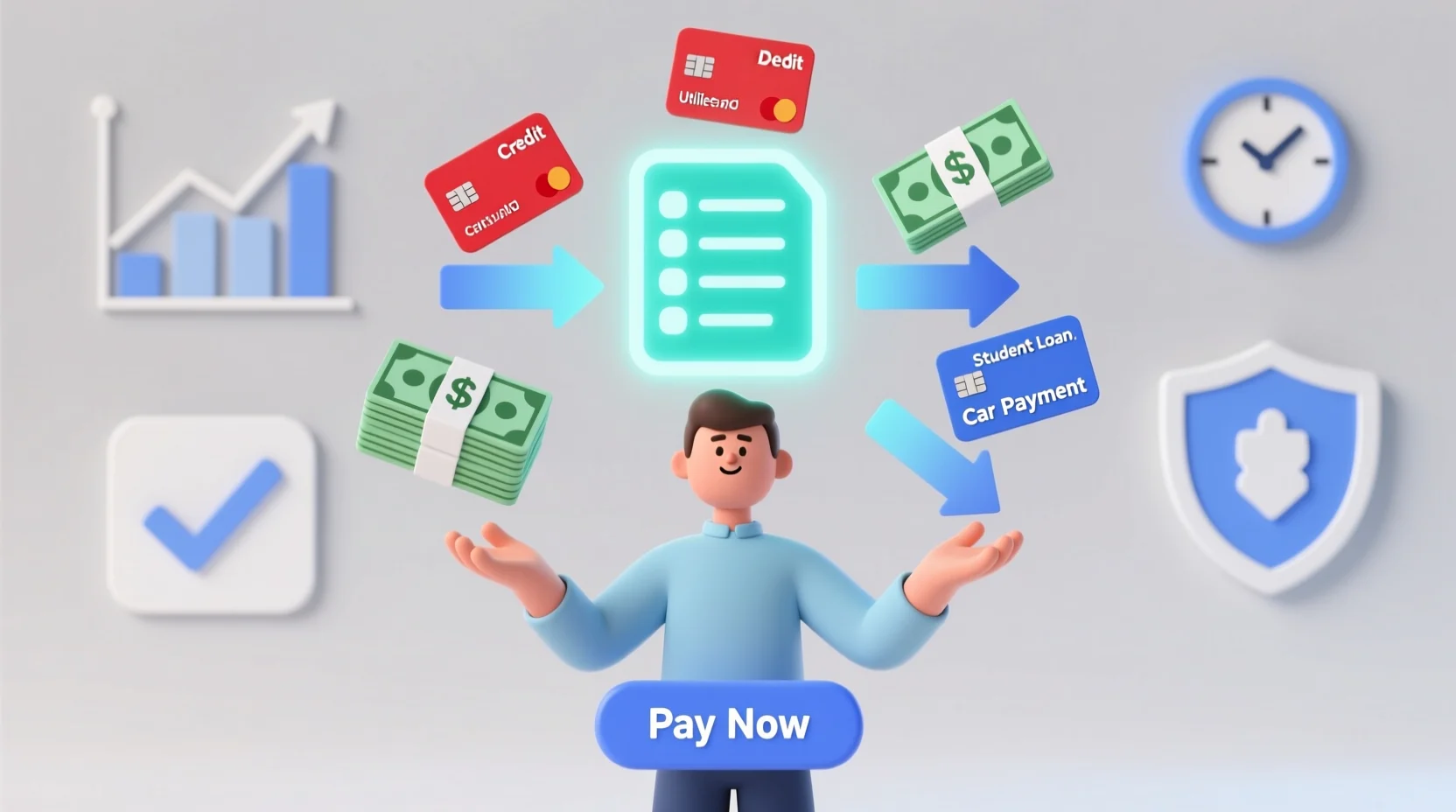
Debt consolidation is the process of taking multiple debts you owe and combining them into one single loan or monthly payment. Instead of paying various creditors separately, you pay one consolidated amount, usually with a lower interest rate or longer repayment term.
Example:
If you owe $5,000 on a credit card, $3,000 on a personal loan, and $2,000 on medical bills, debt consolidation can merge all three debts into one $10,000 loan with a single monthly payment.
In short:
Debt Consolidation = Multiple Debts Combined = Easier Management + Potential Savings
Where Is Debt Consolidation Commonly Used?
Debt consolidation is mostly relevant in personal finance and banking contexts, including:
- 💳 Credit card debt
- 🏦 Personal loans
- 🏥 Medical bills
- 💸 Payday loans
- 🏠 Home equity loans
- Online financial advice platforms
Tone & Suitability:
- ✔️ Helpful for adults managing finances
- ✔️ Educational content for readers
- ❌ Not casual slang
- ❌ Not applicable to teenagers or children without financial responsibilities
Examples of Debt Consolidation in Real Life
Scenario 1:
Jessica owes $8,000 on two credit cards. She takes a debt consolidation loan of $8,000 at a lower interest rate. Now she pays one monthly payment instead of two, reducing stress and interest costs.
Scenario 2:
Tom has $15,000 in various small loans. He uses a balance transfer credit card to combine the balances and pay a fixed monthly amount, simplifying his financial management.
Scenario 3:
Maria consolidates medical bills and personal loans with a home equity loan. She now pays one single payment to one lender instead of multiple creditors.
When to Use and When Not to Use Debt Consolidation
✅ When to Use
- Multiple high-interest debts
- Difficulty managing several monthly payments
- Wanting to reduce overall interest
- Need a fixed monthly payment for budgeting
- Desire for financial stress reduction
❌ When Not to Use
- Low-interest loans that don’t cost much
- If consolidation fees exceed potential savings
- Risk of adding more debt after consolidation
- No stable income to support a consolidated payment
Comparison Table
| Context | Example | Why It Works / Doesn’t Work |
|---|---|---|
| Multiple credit cards | Combine into one loan | Simplifies payments, can reduce interest |
| Payday loans | Consolidate into personal loan | Reduces risk of late fees and high interest |
| Single loan with low rate | Keep as-is | No need for consolidation; saves fees |
| Budgeting challenge | Use a consolidation plan | Helps manage monthly finances |
Similar Financial Terms or Alternatives
| Term | Meaning | When to Use |
|---|---|---|
| Balance Transfer | Move credit card debt to a low-interest card | Short-term interest relief |
| Personal Loan | One loan to pay off multiple debts | Long-term debt consolidation |
| Debt Management Plan | Professional plan with negotiated rates | When struggling to pay monthly |
| Home Equity Loan | Use home as collateral to consolidate debt | Large debts with assets |
| Snowball Method | Pay small debts first to reduce debt count | Behavioral motivation strategy |
| Debt Avalanche Method | Pay high-interest debts first | Minimize interest over time |
FAQs
1. Does debt consolidation reduce the amount I owe?
No. It simplifies payments and may lower interest, but the total debt remains the same.
2. Can debt consolidation hurt my credit score?
It might temporarily affect your score, but proper use can improve it over time.
3. Is debt consolidation only for credit cards?
No. It can combine credit cards, loans, medical bills, and more.
4. Are there fees involved?
Some loans or balance transfers have fees. Always check terms.
5. Can anyone consolidate debt?
Mostly adults with sufficient income and credit eligibility.
6. Is debt consolidation the same as debt settlement?
No. Consolidation combines debts; settlement negotiates to pay less than owed.
7. How long does it take to consolidate debt?
It can take a few days to a few weeks depending on the lender or method.
Conclusion
Debt consolidation is a powerful financial tool for anyone struggling with multiple debts. By combining debts into a single loan or payment, you can reduce stress, simplify budgeting, and potentially save money on interest. However, it’s not a one-size-fits-all solution. Carefully review your financial situation, compare lenders, and avoid accumulating new debts after consolidating. Used wisely, debt consolidation can help regain control over your finances and bring peace of mind.