If you’ve ever tried venison, bison, or rabbit for the first time, you might’ve heard someone say, “It tastes a bit gamey.” The first time I heard that word, I genuinely wondered if it meant the meat was spoiled, overcooked, or something strange was added to it. Spoiler: none of those are true.
Quick Answer:
“Gamey meat” means meat that comes from wild animals and has a strong, earthy, rich, and slightly musky flavor. It tastes different from farm-raised chicken, beef, or fish because wild animals have natural diets and more active lifestyles.
What Does “Gamey Meat” Mean?
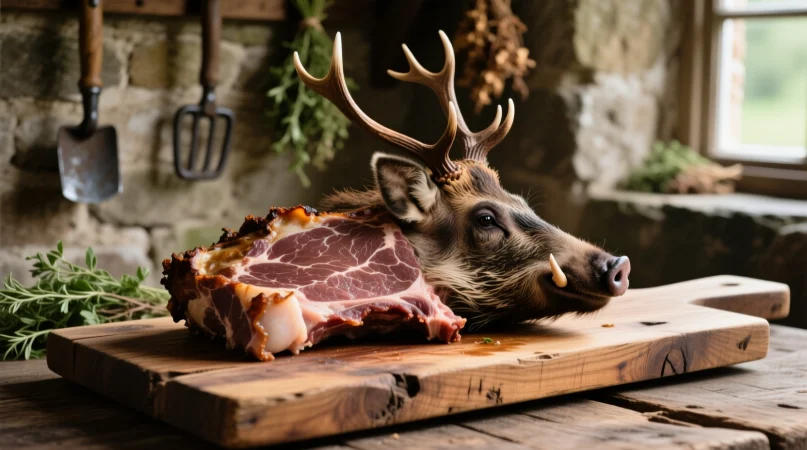
“Gamey meat” refers to the distinct, intense flavor found in meat from wild animals such as deer, rabbit, duck, elk, boar, or bison. This flavor is often described as:
- Earthy
- Musky
- Rich
- Strong
- Slightly pungent
- Natural or “wild” tasting
This taste comes from the animal’s diet, muscle activity, age, and the fact that they aren’t farm-raised.
Example sentence:
“This venison is a little gamey, but honestly, that’s what makes it good.”
In short:
Gamey meat = wild animal flavor = stronger, richer, earthier taste
Where Is the Term “Gamey Meat” Commonly Used?
You’ll usually hear the word “gamey” in:
- 🥩 Hunting communities
- 🍽️ Food blogs & cooking shows
- 🔪 Chef discussions about flavor profiles
- 🦌 Wild game restaurants
- 🧑🍳 Recipes involving venison, rabbit, duck, or elk
- 🌾 Farm-to-table culinary spaces
- 🌍 Traditional cuisines (Nordic, African, Native American, etc.)
The term is culinary, not slang, and fits well in casual, professional, and educational contexts.
Examples of “Gamey Meat” in Conversation
A: “How was the venison?”
B: “pretty gamey but tender!”
A: “i tried rabbit for the first time today 😭”
B: “haha yeah it tastes gamey, not like chicken at all”
A: “why does this duck taste so strong?”
B: “that’s the gamey flavor — it’s normal”
A: “is gamey bad?”
B: “nah, it just means more earthy and wild-tasting”
A: “bro this goat curry is intense 😳”
B: “goat naturally has a gamey vibe”
When to Use and When Not to Use “Gamey Meat”
✅ When to Use
- Describing wild animal meat
- Talking about strong, earthy flavors
- Giving honest food reviews
- Sharing cooking experiences
- Explaining why meat tastes different than supermarket cuts
❌ When NOT to Use
- When referring to spoiled or rotten meat
- When talking about regular beef, chicken, or fish
- In a way that insults someone’s cooking
- When you simply didn’t like a dish but can’t explain why
Context Comparison Table
| Context | Example Phrase | Why It Works |
|---|---|---|
| Food Review | “The lamb had a slightly gamey taste.” | Honest, culinary, descriptive |
| Cooking Discussion | “Gamey flavors reduce when marinated.” | Useful & informative |
| Everyday Talk | “I’m not used to gamey meat.” | Casual and clear |
| Wrong Usage | “This spoiled meat is so gamey.” | Incorrect — gamey ≠ spoiled |
Why Does Meat Taste Gamey?
The gamey flavor develops due to several natural factors:
1. Wild Diet
Wild animals eat grasses, herbs, leaves, nuts, berries, and other natural foods.
This results in stronger flavor compounds in the meat.
2. More Muscle Activity
Wild animals move constantly — running, climbing, foraging — which builds leaner, tougher, more flavorful muscles.
3. Lower Fat Content
Farm animals have more fat, which softens flavor.
Wild animals are lean, so their flavor is more concentrated.
4. Age of the Animal
Older animals = stronger natural taste.
5. No Artificial Feed
No hormones, no grain diets — just pure wild nutrition.
All of these contribute to the deep, earthy taste known as “gamey.”
How to Reduce the Gamey Flavor
If someone wants to enjoy wild meat without the strong taste, these methods help:
- Marinating (milk, buttermilk, vinegar, wine)
- Slow cooking to break down fibers
- Removing silver skin or fat
- Using herbs & spices (rosemary, garlic, thyme, cloves)
- Soaking in saltwater/brine
- Cooking fresh meat instead of frozen
- Pairing with acidic flavors like lemon or tomatoes
These steps can mellow the richness and make the flavor more familiar.
Similar Flavors or Terms
| Term | Meaning | When to Use |
|---|---|---|
| Earthy | Natural, rustic taste | Mushrooms, roots, game meat |
| Musky | Strong, deep aroma | Wild flavors, aged meat |
| Rich | Dense, flavorful | Duck, lamb, venison |
| Bold | Intense taste | Spiced or wild dishes |
| Lean | Low fat content | Game animals, bison |
| Wild-Caught | Not farm-raised | Fish, deer, rabbit |
FAQs
1. Does “gamey” mean the meat is bad?
No. Gamey does not mean spoiled — just naturally strong-flavored.
2. Which meats are usually gamey?
Venison, duck, goat, rabbit, boar, elk, antelope, and sometimes lamb.
3. Can you remove the gamey taste?
Yes — marinating, slow cooking, and trimming fat reduce the flavor.
4. Is gamey meat healthier?
Often yes. Wild meat is usually leaner, more nutritious, and chemical-free.
5. Why does lamb sometimes taste gamey?
Lamb naturally has stronger flavor compounds, especially older lamb (mutton).
6. Do people like the gamey taste?
Many do! It’s considered gourmet, rustic, and unique.
7. Is gamey meat safe to eat?
Yes, as long as it’s properly handled and cooked.
Conclusion
“Gamey meat” simply describes the naturally strong, earthy taste of wild animals. It’s not a bad thing — it’s just different from farm-raised meat. For many people, that bold, rustic flavor is exactly what makes wild game special. Whether you love it or prefer milder tastes, understanding what “gamey” means helps you choose dishes, cook better, and appreciate the unique character of wild meats.