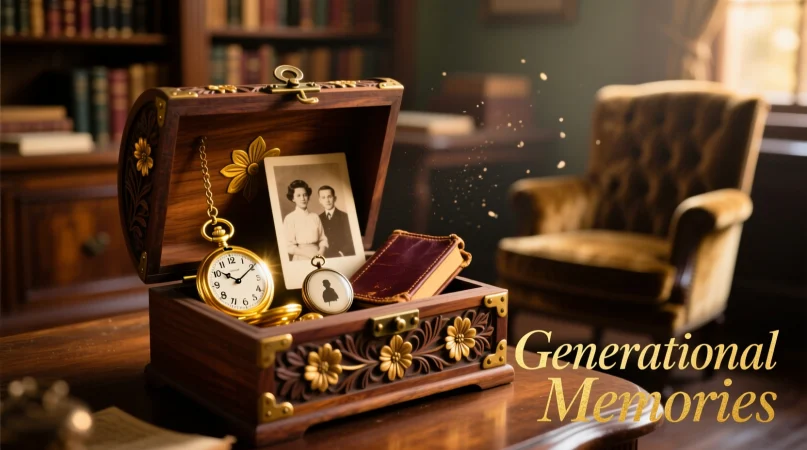
Have you ever heard someone say they received an “heirloom” from their grandparents and wondered what exactly that means? I remember the first time someone showed me their heirloom ring — I thought it simply meant an old accessory. Later I realized it carried far more emotional and historical value than I expected. If you’ve been confused by this word too, you’re in the right place.
Quick Answer:
“Heirloom” means an item passed down through generations in a family. It usually holds sentimental, emotional, or historical value, not just monetary worth.
What Does “Heirloom” Mean in Text?
In simple words, an heirloom is anything valuable that a family keeps and passes from one generation to another. It could be jewelry, furniture, clothing, photos, or even recipes.
Example:
“This watch is an heirloom — it belonged to my great-grandfather.”
In short:
Heirloom = Family Treasure = Passed Down Through Generations
Where Is “Heirloom” Commonly Used?
The word “heirloom” is used in many different contexts:
- 👑 Family storytelling
- 🏛️ Historical or cultural discussions
- 💍 Jewelry and antique shops
- 📚 Literature, movies, and documentaries
- 📝 Legal contexts (inheritance or wills)
- 🥕 Food & gardening (heirloom vegetables)
It’s formal, respectful, and suitable for professional, educational, and sentimental conversations.
Examples of “Heirloom” in Conversation
A: “that necklace is so pretty!”
B: “thanks, it’s actually a family heirloom.”
A: “why is this box so important?”
B: “it’s an heirloom from my grandmother.”
A: “these seeds are special?”
B: “yeah they’re heirloom seeds — super rare.”
A: “you kept his old camera?”
B: “of course, it’s an heirloom now.”
A: “why don’t you sell it?”
B: “it’s priceless to me, it’s an heirloom.”
When to Use and When Not to Use “Heirloom”
✅ When to Use
- Talking about objects passed through generations
- Describing sentimental or historical value
- Discussing antique items
- Talking about inheritance or family traditions
- Describing rare, original plant varieties
❌ When NOT to Use
- For brand-new items
- For cheap or disposable things
- In casual jokes
- When you mean “old” but not “valuable”
- In contexts that don’t involve family or history
Context Comparison Table
| Context | Example Phrase | Why It Works |
|---|---|---|
| Family Story | “This ring is our family heirloom.” | Shows generational value |
| Gardening | “We grow heirloom tomatoes.” | Refers to original seed varieties |
| Work Chat | “This antique isn’t an heirloom.” | Clear and professional |
| Casual Chat | “My old phone isn’t exactly an heirloom 😭” | Adds humor, still correct usage |
Similar Words or Alternatives
| Word | Meaning | When to Use |
|---|---|---|
| Heritage | Cultural or family legacy | Historical or cultural context |
| Keepsake | A small item kept for memory | Emotional gifts, memories |
| Antique | Old collectible item | Buying/selling valuable objects |
| Legacy | What someone leaves behind | Broad, includes values or achievements |
| Relic | Object from the past | Historical or religious context |
| Inheritance | Something received from ancestors | Legal or family discussions |
FAQs
1. Does “heirloom” mean expensive?
Not always. Its sentimental or historical value matters more than the price.
2. Can heirlooms be non-physical?
Typically no — heirlooms are physical objects. Memories or traditions may be part of heritage, not heirlooms.
3. Are heirloom vegetables related?
Yes. “Heirloom vegetables” come from seeds preserved and passed down for decades.
4. Can a new item become an heirloom?
Yes — once it is passed down to the next generation, it becomes an heirloom.
5. Does an heirloom need to be antique?
Not necessarily. Even a 20-year-old item can be an heirloom if it holds family value.
6. Are heirlooms legally protected?
Some may be listed in wills or inheritance documents.
7. Can jewelry be an heirloom?
Absolutely — jewelry is one of the most common heirloom types.
Conclusion
“Heirloom” is a meaningful word that reflects history, memory, and family connection. Whether it’s a ring, a recipe, or a rare seed, anything passed lovingly from one generation to the next becomes a treasure. Understanding this term helps you appreciate the deeper value behind items that carry stories not just price tags.