You may have seen the word “intervention” in a movie, a school notice, or a motivational video and wondered what exactly it means. I remember the first time I heard it — in a dramatic TV scene where friends surprised someone in a living room and said, “This is an intervention.” For a moment, I wasn’t sure if it was something serious, medical, or just emotional support.
If you’ve felt the same confusion, don’t worry — you’re about to understand it clearly.
Quick Answer:
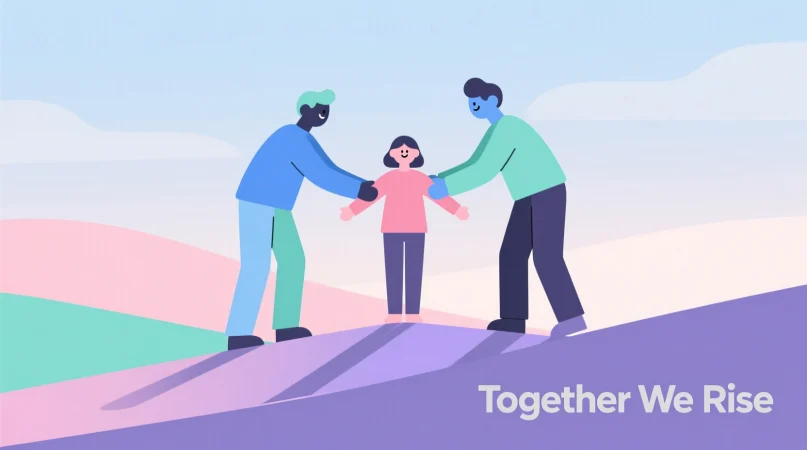
“Intervention” means stepping in to help, support, or prevent a situation from getting worse. It can be emotional, medical, educational, or social depending on the context.
What Does “Intervention” Mean?
“Intervention” refers to any action taken to improve, guide, correct, or assist someone or something. It’s used when a situation needs help, support, or change.
People use the word when they step in to offer guidance — whether it’s for someone’s health, behavior, studies, or personal struggles.
Example:
“We had to do an intervention because he wasn’t taking care of himself.”
In short:
Intervention = Stepping In to Help = Preventing a Problem from Getting Worse
Where Is the Word “Intervention” Commonly Used?
The word appears in many different areas, such as:
- 🧠 Mental health & therapy sessions
- 🏥 Medical treatments and emergencies
- 👨👩👧 Family or friendship support meetings
- 📚 School or academic assistance programs
- 🧑🏫 Classroom learning support (educational interventions)
- 🚓 Social or legal systems
- 🎬 Movies, shows, documentaries
It is formal when used in schools, hospitals, or organizations, but it can also be casual when used between friends.
Examples of “Intervention” in Conversation
A: “he’s been skipping classes again.”
B: “maybe he needs an intervention before things get worse.”
A: “my anxiety is getting out of control.”
B: “you should talk to a therapist, that’s a good intervention.”
A: “the teacher said she’ll do an academic intervention.”
B: “that means extra help, right?”
A: “yep.”
A: “they did an intervention for him last night.”
B: “hope it helps, he really needs support.”
A: “my mom is planning an intervention for my brother.”
B: “i hope he listens this time.”
When to Use and When Not to Use “Intervention”
✅ When to Use
- When someone needs help or support
- When describing medical or psychological assistance
- Talking about school help programs
- When someone’s behavior is getting harmful
- In formal or semi-formal conversations
❌ When NOT to Use
- In casual humor unless everyone understands
- When the situation is not serious
- In professional emails about small issues
- When the person may feel judged or embarrassed
Context Comparison Table
| Context | Example Phrase | Why It Works |
|---|---|---|
| Friend Chat | “i think he needs an intervention 😕” | Shows genuine concern |
| Work Chat | “We need a performance support plan.” | Professional + respectful |
| “We recommend implementing an intervention strategy.” | Formal + appropriate | |
| School | “The teacher scheduled a reading intervention.” | Accurate educational use |
Types of Interventions
To make the meaning even clearer, here are the main kinds of interventions you’ll see:
1. Medical Intervention
Doctors step in to prevent or treat health problems.
Examples: medicines, surgery, emergency care.
2. Psychological Intervention
Therapists or family members help someone with mental health challenges.
Examples: counseling, support groups, therapy sessions.
3. Educational Intervention
Teachers provide extra support to help students improve academically.
Examples: tutoring, special lessons, remedial classes.
4. Behavioral Intervention
Used when someone’s habits or actions become harmful.
Examples: addiction support, family meetings, guidance plans.
5. Social Intervention
Organizations or governments step in to help communities.
Examples: welfare programs, crisis response, awareness campaigns.
Each type has one purpose: to help someone move in a better direction.
Similar Words or Alternatives
| Word | Meaning | When to Use |
|---|---|---|
| Support | Offering help | Friendly or casual tone |
| Assistance | Providing aid | Professional situations |
| Therapy | Mental/emotional treatment | Emotional or psychological topics |
| Guidance | Helping someone find direction | Mentoring or advising |
| Treatment | Medical care | Healthcare discussions |
| Aid | Offering help in crisis | Formal, government, or NGO contexts |
FAQs
1. Is “intervention” always serious?
Not always. Some interventions are formal, but others can be friendly and supportive.
2. Does intervention mean forcing someone?
No. It’s usually meant to guide, not force.
3. Can intervention be done in school?
Yes — teachers use academic interventions to help students improve.
4. What is a family intervention?
It’s when family members gather to help someone facing addiction or emotional issues.
5. Is medical intervention the same as treatment?
Yes. Medical intervention includes treatments, therapies, and procedures.
6. Is the word used in daily life?
Yes. People use it casually to describe stepping in to help.
7. Can intervention be positive?
Absolutely. Many interventions lead to better health, habits, and emotional well-being.
Conclusion
“Intervention” is a powerful word that simply means stepping in to help someone or improve a situation. Whether it’s used in hospitals, schools, families, or friendships, the core idea remains the same — guiding someone toward a healthier, safer, or better path. From emotional support to medical treatment, an intervention can make a major difference when used thoughtfully and respectfully.