Noticing blood in your urine can be alarming. Many people panic the first time it happens, wondering whether it’s something serious or just a minor issue. Medically, seeing blood in urine is called hematuria, and it can range from harmless to a sign of a serious condition.
Quick Answer:
Blood in your urine can indicate urinary tract infection (UTI), kidney stones, injury, or more serious conditions like kidney disease or cancer. The exact meaning depends on the color, amount, and other symptoms. Immediate medical consultation is recommended for proper diagnosis.
What Does It Mean When You Pee Blood?
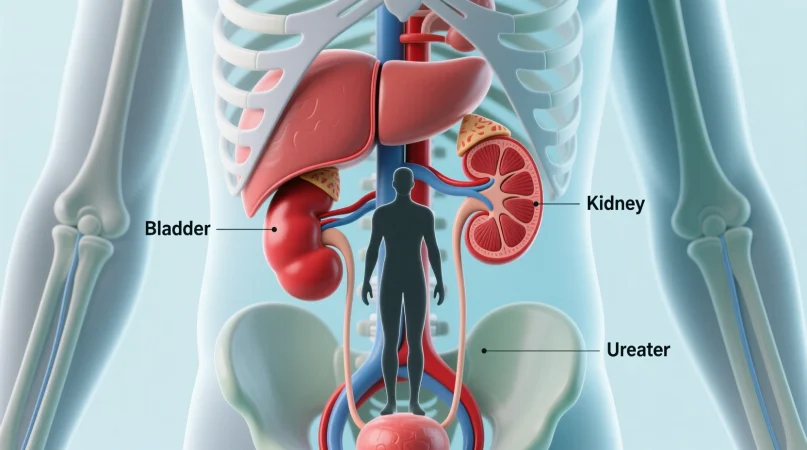
Hematuria, the medical term for blood in urine, can appear pink, red, or brown depending on the source. Blood can come from anywhere in the urinary tract, including the kidneys, ureters, bladder, or urethra.
Common causes include:
- Urinary Tract Infection (UTI): Bacteria inflaming the bladder or urethra
- Kidney Stones: Hard mineral deposits causing bleeding
- Injury or Trauma: Physical damage to kidneys or bladder
- Medication Side Effects: Blood-thinning drugs or antibiotics
- Enlarged Prostate (in men): Pressure on urinary tract causing bleeding
- Serious Conditions: Kidney disease, tumors, or bladder cancer
Example:
“I noticed my urine was pink this morning, and I also had some mild pain when urinating — it could be a UTI or kidney stone.”
In short:
Peeing blood = Hematuria = Possible minor or serious medical issue.
Where Is This Symptom Usually Noticed?
Blood in urine can be observed in:
- Morning urine: Sometimes more visible after overnight concentration
- Throughout the day: Depending on cause
- After exercise: Exercise-induced hematuria is usually harmless
- With other symptoms: Pain, burning sensation, or lower back discomfort
Important Notes:
- ❌ Not always visible to the naked eye (microscopic hematuria)
- ✔️ Visible hematuria requires medical evaluation
- ✔️ Can accompany urinary pain, frequent urination, or cramps
Examples of Situations Leading to Blood in Urine
- A: “I just noticed my urine is reddish 😳”
B: “Go see a doctor — could be a UTI or kidney stone.” - A: “After my workout, I saw pink urine.”
B: “Might be exercise-induced, but get it checked.” - A: “I have sharp lower back pain and blood in urine.”
B: “That sounds like a kidney stone, consult your doctor immediately.” - A: “My father’s urine is dark red and frequent.”
B: “Could indicate enlarged prostate or bladder issue, medical advice needed.”
When to Seek Medical Help Immediately
✅ Red Flags
- Large amounts of blood
- Painful urination or lower back pain
- Fever or chills
- Swelling of limbs or face
- Blood clots in urine
- Recent injury or trauma
❌ When It May Be Less Urgent
- Trace amounts only noticed under microscope
- No other symptoms
- Brief occurrence after exercise
Context Table for Understanding Severity
| Situation | Example | Why It Matters |
|---|---|---|
| Minor | Light pink urine after exercise | Usually harmless, temporary |
| Infection | Painful urination + blood | Could be UTI, needs antibiotics |
| Kidney Stone | Blood + severe back/flank pain | Requires medical evaluation |
| Serious Condition | Dark red urine + clots | Possible cancer, kidney disease, urgent attention |
Similar Symptoms or Related Conditions
| Symptom | Meaning | When to Check |
|---|---|---|
| Cloudy urine | May indicate infection | Persistent symptom |
| Frequent urination | UTI or diabetes | With other symptoms |
| Painful urination | Bladder or kidney inflammation | Immediate check if severe |
| Lower back/flank pain | Kidney stones or kidney disease | Persistent or severe pain |
| Swelling/edema | Kidney problems | Medical evaluation required |
FAQs
1. Can blood in urine be harmless?
Yes, sometimes exercise or minor trauma causes it. But always get checked.
2. Is blood always visible?
Not always. Microscopic hematuria may only show up in urine tests.
3. What causes bloody urine in men vs women?
Men: prostate issues, kidney stones, infection
Women: UTI, menstrual contamination, kidney issues
4. Can medications cause blood in urine?
Yes, blood thinners, antibiotics, or chemotherapy drugs can lead to hematuria.
5. Should I go to the ER?
Seek immediate help if accompanied by pain, clots, swelling, or fever.
6. Can dehydration cause blood in urine?
Severe dehydration can concentrate urine but usually doesn’t cause visible blood.
7. Can exercise cause blood in urine?
Yes, strenuous activity may cause temporary harmless hematuria.
Conclusion
Noticing blood in your urine can be alarming, but understanding the possible causes can help you respond appropriately. While some instances are harmless, others indicate a serious medical condition that requires immediate attention. Always consult a healthcare provider for proper diagnosis and treatment. Early detection can prevent complications and ensure your urinary and kidney health stays on track.